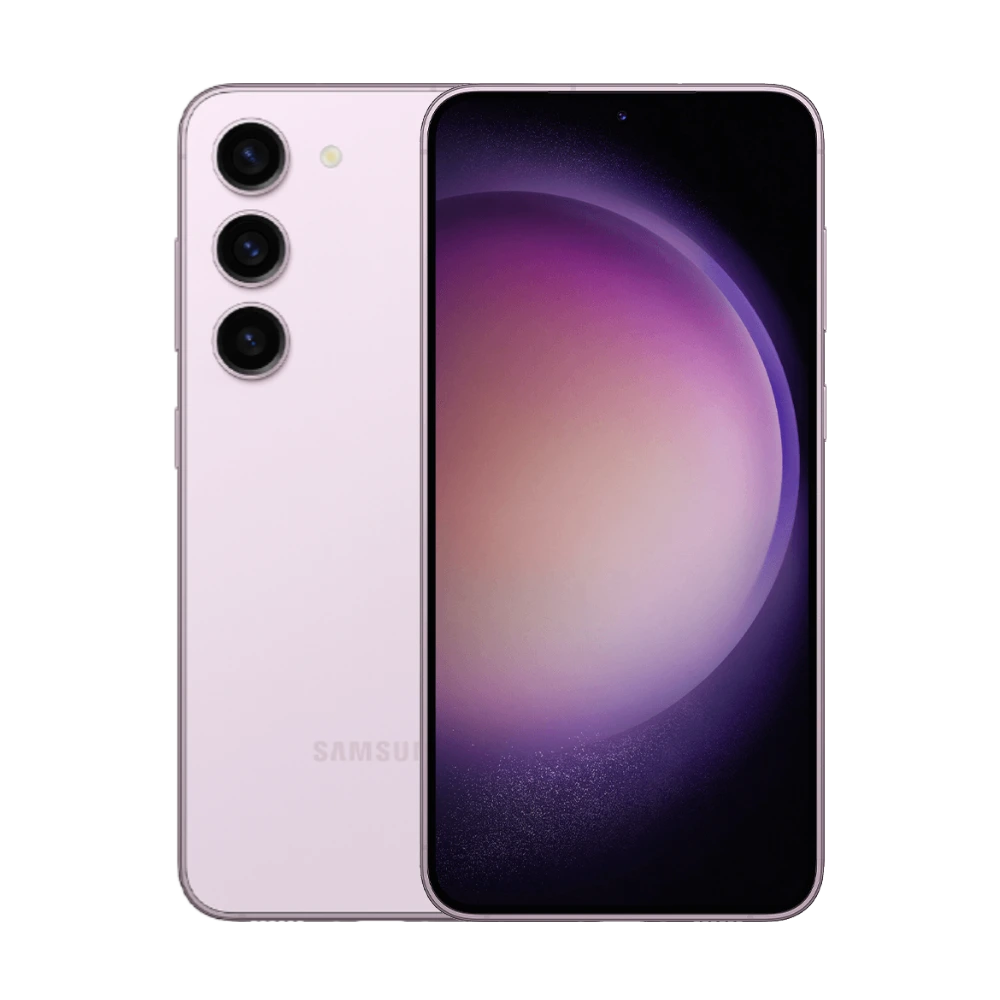
Samsung Galaxy S26 Rumours: The 2026 Business Flagship Breakdown
With the official Samsung Galaxy Unpacked event expected on 25th February 2026, the industry is bracing for what looks to




Learn all the benefits of using the IoT for your business. The Internet of Things has stopped being a tech buzzword and become a genuine growth engine for businesses of every size. Connected vehicles sending live diagnostics, retail shelves that automatically reorder stock, smart sensors keeping tabs on assets halfway round the world, and teams suddenly getting the data they need without chasing it – what sounded futuristic five years ago is now just how things get done.
At the heart of it all is one small but vital component: the IoT SIM (not to be confused with an M2M SIM). Whether you call it an IoT SIM, an IoT SIM card, or machine-to-machine connectivity, this little piece of technology lets devices talk to each other securely and reliably, 24/7, without anyone having to intervene. For most companies it’s the quiet workhorse that makes the entire digital transformation actually happen.
Businesses everywhere are under the same pressure: cut costs, improve safety, automate the boring stuff, and give customers a noticeably better experience. IoT delivers on every single one. Once the right IoT solutions are in place, you get a non-stop flow of real-time insights that simply weren’t available a few years ago. This isn’t innovation for show – it’s usable data that helps you make smarter decisions every day.
A logistics fleet using IoT business SIM cards can track vehicles in real time, monitor driver behaviour, and flag maintenance needs before anything actually breaks down. Retailers keep perfect stock levels because connected shelves report live inventory straight away. Manufacturers slash downtime when IoT sensors spot machine faults long before the line stops.

Regular consumer SIMs aren’t designed for devices that sit in a field for a decade or roam across borders. IoT SIMs are built differently: tougher network resilience, true multi-network roaming, proper security profiles, and management tools that let you activate, pause, or monitor thousands of IoT SIM cards from one dashboard.
The best providers have nailed reliability, flexible tariffs, and genuine global coverage so you’re not re-jigging everything every time a device moves country. Ten sensors or ten thousand – the IoT connectivity is just as intelligent as the kit it’s attached to.
Big enterprises were the early adopters, but IoT is no longer locked behind a massive budget. SMEs now have affordable access to exactly the same level of advanced connectivity. A small construction firm can track valuable equipment across half a dozen sites. A regional food distributor can monitor temperature all the way through the supply chain. Even one-man-bands are using straightforward automation to free up hours every week.
The real strength of IoT is how adaptable it is. It fits around your existing processes, your goals, and your budget instead of demanding a complete overhaul. Find the right partner and getting started is surprisingly simple.

If you’re looking at IoT for your business for the first time, start with a clear goal. Do you want to cut manual jobs, stop things going missing, get accurate performance data, or improve customer service? Once that’s nailed down, choosing the right IoT solution gets a lot easier.
For most people the journey starts with the right IoT SIM card and connectivity platform. After that it’s simply a case of adding devices, dashboards, and a few automations that deliver value day after day.
At BusinessMobiles.com we help companies adopt practical, scalable IoT technology that boosts efficiency without the usual headaches. Whether you’re testing it in one department or rolling it out across the whole business, reliable connectivity is the foundation that keeps everything running smoothly long-term.
The UK is now one of Europe’s fastest-growing markets for IoT adoption. Strong mobile networks, government smart-city investment, and coverage that keeps getting better. From connected healthcare to digital logistics, IoT is modernising infrastructure and driving efficiency across every sector.
Flexible IoT SIM plans and growing support for automation mean businesses of any size can now get reliable, scalable Internet of Things solutions without spending a fortune.

Direct machine-to-machine communication over cellular or wired networks. Usually point-to-point, no cloud, no fancy analytics. Classic examples: early telematics boxes or basic remote monitoring.
Builds on M2M by adding cloud connectivity, data platforms, automation tools, and integration across networks. Devices talk not just to each other but to servers, apps, and dashboards. This enables large-scale analysis, remote management, and proper intelligent automation.
In short, M2M is two machines texting each other. IoT is the whole conversation feeding into systems that actually think and act on the information.
The Internet of Things is no longer “emerging” – it’s a practical, proven tool that delivers real value to businesses of every size. From cutting costs and boosting efficiency to enabling smarter decisions, connected devices and reliable IoT SIM solutions are changing how companies operate.
With scalable connectivity, strong UK networks, and a straightforward implementation plan, any organisation can unlock new growth and stay ahead in an increasingly connected world. Now really is the perfect time to get started.



Samsung Galaxy S26 Rumours: The 2026 Business Flagship Breakdown
With the official Samsung Galaxy Unpacked event expected on 25th February 2026, the industry is bracing for what looks to be the most significant hardware

The BT Switch Off: Is Your Business Ready for the 2026 ISDN Shutdown?
The UK is currently in the midst of its most significant telecommunications overhaul since the invention of the telephone. The BT switch off is not

How IoT Is Transforming Modern Business: Practical Benefits, Real Results
Learn all the benefits of using the IoT for your business. The Internet of Things has stopped being a tech buzzword and become a genuine

What Is 6G? Everything You Need to Know About the Next Generation of Mobile Networks
Don’t get left behind, learn everything about 6G before it releases! Mobile connectivity is evolving faster than ever. Just as 5G is rolling out in